Application logic
Industry fit is decided by the motion profile
Each vertical below uses strain-wave gearing for a different reason. Robotics teams usually prioritize compact coaxial packaging, semiconductor teams focus on smooth low-speed indexing and documentation, while medical and metrology builders care about repeatability that can be proven during validation. The same product family may work across these areas, but the acceptance data, mounting risk, and service plan are not identical.
Robotics
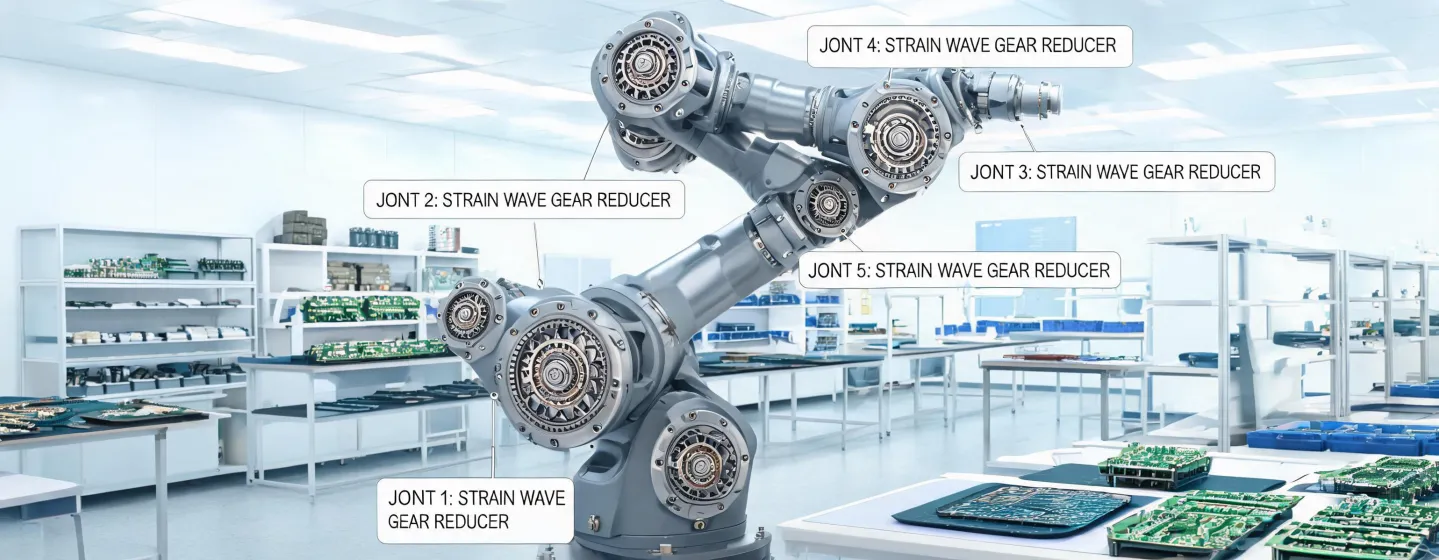
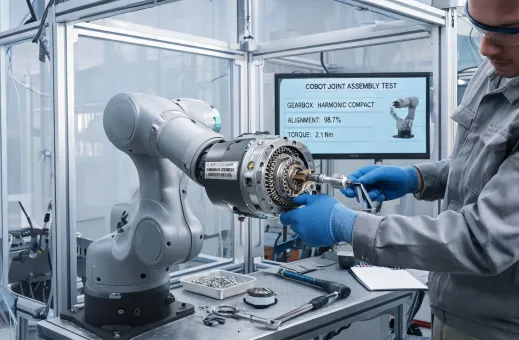
Robot joints need compact ratio, low lost motion, and stable torsional stiffness. Harmonic Drive component sets help route cables through hollow shafts while keeping arm inertia low. The engineering review checks peak torque during acceleration, stop shock, output bearing moment, and encoder resolution so the joint does not lose accuracy after repeated start-stop cycles.
Semiconductor
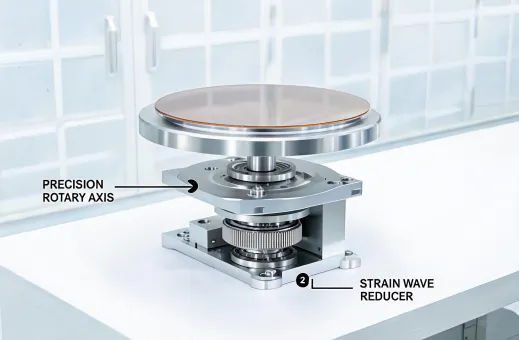
Wafer handling and inspection stages require smooth low-speed motion, clean documentation, and careful lubricant review for sensitive manufacturing areas. Engineers often ask for SEMI S2 support notes, serialized inspection data, and clean assembly handling instructions because contamination, vibration, and repeatability drift can affect yield as much as mechanical torque capacity.
Medical Automation
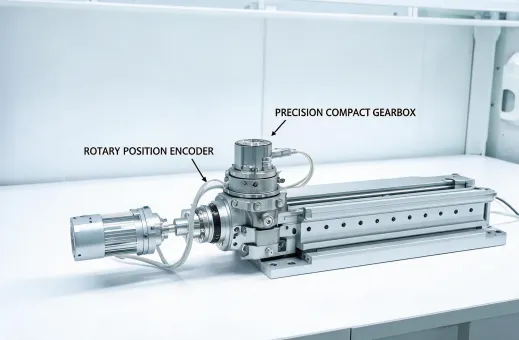
Diagnostic and surgical support equipment relies on controlled backlash, predictable running torque, and long program repeatability under strict documentation. For these projects, the review focuses on smooth motion, compact packaging, service access, and evidence that production units can be traced against the same inspection gates used during validation.